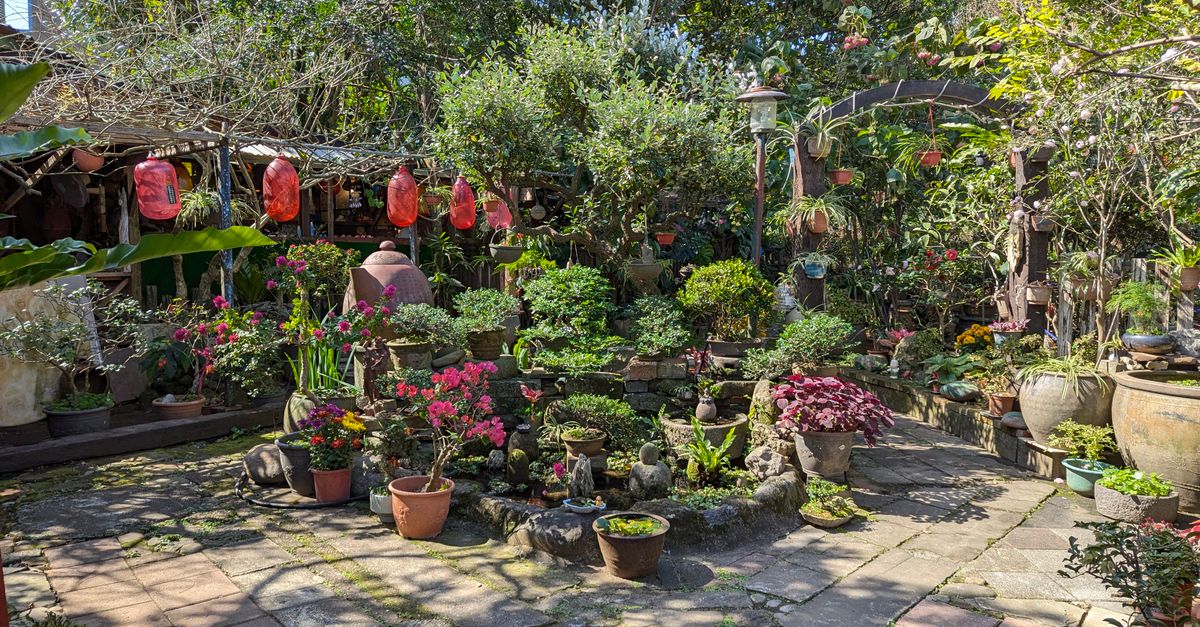
Why Your Garden Always Looks 'Messy' (And What Actually Works for Effortless, Year-Round Beauty)
Are you constantly battling your garden? Do you spend hours weeding, pruning, and fussing, only to step back and see a chaotic, untamed space that never quite achieves that ‘picturesque’ look? I used to feel the same way. Every spring, I’d envision a lush, vibrant sanctuary, only to be overwhelmed by mid-summer with rampant weeds, struggling plants, and a general sense of mess. I’d spend my weekends feeling guilty, pulling weeds, and questioning if I simply lacked a ‘green thumb.’
What I realized, after years of frustration and countless hours wasted, is that much of the conventional gardening advice we’re given is actually setting us up for failure, especially for those of us who want beauty without the constant battle. The ideal of a perfectly manicured, pristine garden is often an illusion, maintained by either an army of gardeners or an owner with endless free time. For the rest of us, it leads to burnout and a messy, unloved patch of earth.
This isn’t about giving up on your garden; it’s about shifting your perspective and strategy. I’m going to share the counter-intuitive lessons I learned that transformed my outdoor space from a source of stress into a genuinely beautiful, low-maintenance haven. It’s about working with nature, not against it, and understanding the silent saboteurs that make most gardens feel perpetually messy.
Key Takeaways
- Embrace a ‘layered’ planting strategy, focusing on plant size, texture, and density to naturally suppress weeds and create visual interest.
- Implement deep mulching with organic materials to retain moisture, regulate soil temperature, and dramatically reduce weeding efforts.
- Design your garden with year-round structure and consider how plants will look in all seasons, not just peak bloom.
- Prioritize native and well-adapted plants that thrive in your local climate, drastically cutting down on watering, fertilizing, and pest control.
- Shift your mindset from constant ‘fixing’ to mindful ‘stewarding,’ appreciating the natural evolution of your garden.
The Illusion of the Perfect Garden: Why Most Conventional Approaches Fail
When I first started gardening, I subscribed to the idea that a beautiful garden was a controlled garden. This meant perfectly spaced rows, bare soil between plants, and an almost obsessive dedication to removing anything that wasn’t intentionally planted. This approach is what leads to the perpetual ‘mess’ for most people, and here’s why:
Bare Soil is an Invitation to Weeds: The biggest mistake I made (and see most often) was leaving vast expanses of bare soil. Nature abhors a vacuum. Exposed soil isn’t just aesthetically unpleasing; it’s a prime target for opportunistic weeds to colonize. They’re designed to germinate quickly and cover ground, especially when given direct sunlight and no competition. My pristine, freshly weeded beds would be overrun in days, leading to a never-ending cycle of weeding that felt like fighting a losing battle against an invisible enemy.
The ‘Peak Bloom’ Trap: Most garden inspiration focuses on plants in their full, glorious bloom. We buy plants based on a single moment of spectacular color, without considering what they look like for the other 10 months of the year. This leads to gardens that have intense, fleeting beauty but then fall flat, leaving awkward gaps, bare stems, or uninspired foliage. My early gardens were a testament to this, with bursts of color followed by long periods of visual emptiness, contributing to the overall messy feeling.
Fighting Nature with Chemicals and Constant Intervention: The desire for a ‘perfect’ garden often leads to an arsenal of chemical weed killers, pesticides, and synthetic fertilizers. Not only are these detrimental to the environment and beneficial insects, but they create a dependency. Instead of building healthy soil and a resilient ecosystem, you’re constantly intervening, which is both time-consuming and unsustainable. I tried this path briefly and quickly realized I was creating more problems than I solved, constantly chasing a moving target.
Ignoring Your Climate and Soil: Buying plants solely because they’re beautiful, without researching if they’re truly suited to your local climate and soil conditions, is a recipe for struggle. I’d bring home stunning specimens only for them to languish, demand excessive watering, or succumb to pests. A plant that is constantly struggling will never look its best and will require far more intervention, adding to the ‘mess’ and your workload. The truth is, a plant that needs constant coddling will always look out of place and unwell, no matter how much effort you pour into it.
My realization was that the ‘perfect garden’ is often a fantasy. A beautiful garden, however, is achievable when you shift from trying to control every blade of grass to understanding and leveraging nature’s own wisdom. It’s about designing a garden that is inherently resilient and beautiful with minimal fuss, year after year.
Rethinking Bare Soil: The Power of Layered Planting and Groundcover
The single most impactful change I made to banish the perpetually messy look was to eliminate bare soil. This wasn’t about paving everything; it was about strategically filling every available space with plants that serve a purpose. Think of it as creating a living tapestry, rather than a collection of isolated specimens. This ‘layered planting’ strategy creates a dense canopy that naturally suppresses weeds and adds incredible visual depth and interest.
Here’s how I implemented it:
- The Tall Backdrop (Layer 1): Start with taller shrubs, small trees, or sturdy perennials at the back of your beds. These provide a sense of enclosure, vertical interest, and often year-round structure. Think evergreens like arborvitae or camellias for privacy, or tall ornamental grasses for dynamic movement.
- Mid-Height Fillers (Layer 2): In front of your backdrop, plant medium-height perennials and shrubs. These are your workhorses for seasonal color and texture. Focus on plants that have interesting foliage even when not in bloom. Hosta, coral bells (Heuchera), daylilies, and various ferns are excellent for this layer, providing lushness and reducing bare patches.
- The Ground Huggers (Layer 3): This is the crucial layer for weed suppression. Choose dense, low-growing groundcovers that spread to form a living carpet. Think creeping thyme, sedum, vinca, or even certain varieties of low-growing hosta. The goal is to have their foliage meet and intertwine, shading out potential weeds. I made sure these plants were tough, requiring minimal care once established.
A concrete example: In a bed prone to persistent crabgrass, I initially had three rose bushes with wide gaps in between. It was a constant battle. I transformed it by adding evergreen shrubs (like ‘Soft Touch’ hollies) behind the roses for structure. Then, I interplanted the roses with dense clumps of catmint (Nepeta x faassenii) and salvia, which not only provided continuous bloom but also created a fuller, more substantial look. Finally, at the very front and between the larger plants, I added low-growing sedum ‘Dragon’s Blood’ which quickly spread to cover the soil, effectively choking out most of the weeds. The result was a lush, full bed that looked intentional, not messy, and required a fraction of the weeding.
This layered approach creates a dynamic, multi-dimensional display that always has something interesting to look at, rather than relying on a single flower’s fleeting show. More importantly, it drastically reduces the available real estate for weeds, making your garden work for you, not against you.
The Mulch Masterclass: Not All Mulch is Created Equal
Mulching is probably the most underrated and misunderstood gardening practice. When I say ‘mulch,’ I’m not talking about a thin, token layer. I’m talking about a deep, intentional layer of organic material that transforms your soil, suppresses weeds, and retains moisture like nothing else. This was a game-changer for reducing the ‘messy’ look caused by constantly emerging weeds and dry, cracked soil.
My mistake, and one I see frequently, was applying mulch too thinly (1-2 inches) and often, using dyed wood chips that offered little long-term benefit. Here’s what I learned that actually works:
- Go Deep (3-4 Inches Minimum): This is critical. A thin layer of mulch will still allow weed seeds to germinate and reach sunlight. A deep layer creates a barrier that most weed seeds can’t penetrate, or if they do germinate, their roots struggle to reach the soil below. It also blocks sunlight from existing weed seeds, preventing them from sprouting. I aim for at least 3 inches, and sometimes 4, in perennial beds and around shrubs.
- Choose Organic, Decomposable Materials: Forget the dyed red or black wood chips that just sit there. I now exclusively use shredded hardwood bark, compost, or aged arborist chips. These materials break down over time, enriching your soil, improving its structure, and feeding the beneficial microorganisms beneath. This makes plants healthier and more resilient, further reducing the ‘mess’ of struggling specimens.
- Renew Annually (or Bi-Annually): As organic mulches decompose, they need to be replenished. I typically add a fresh 2-3 inch layer once a year in spring, or sometimes a lighter layer in fall if needed. This consistent renewal maintains the weed barrier and continues to build rich, healthy soil.
- Avoid the ‘Mulch Volcano’: A common mistake is piling mulch against the base of trees and shrubs. This traps moisture, encourages pests and diseases, and can suffocate the plant. Always keep mulch a few inches away from the trunk or stem, creating a small ‘doughnut’ shape.
The ‘before and after’ effect of proper mulching is dramatic. My beds went from being a patchwork of struggling plants and emerging weeds to a uniform, clean-looking canvas where my intentional plantings truly shined. The soil stayed consistently moist, meaning I watered far less, and the weeds that did manage to pop through were easily pulled due to the soft, improved soil underneath. Mulching became my number one passive ‘garden tidy-up’ tool.
Design for All Seasons: Beyond Fleeting Blooms
One of the biggest contributors to a perpetually messy-looking garden, in my experience, is designing solely for peak bloom. We get seduced by vibrant spring bulbs or glorious summer perennials, but fail to consider what the garden will look like in the ‘off-season.’ This leads to periods of visual emptiness, awkward bare spots, and an overall disjointed appearance. The secret to year-round beauty, and a consistently tidy look, is designing with structure and evergreen elements in mind.
Here’s how I shifted my approach:
- Embrace Evergreens for Structure: Incorporate evergreen shrubs, conifers, or broadleaf evergreens that provide continuous texture and color, especially through winter. These form the ‘bones’ of your garden, giving it a sense of permanence and tidiness even when deciduous plants have shed their leaves. I love dwarf conifers for their varied shapes and textures, and boxwood or yew for formal structure.
- Focus on Foliage and Form: Instead of just flowers, prioritize plants with interesting leaf shapes, colors, and textures. Purple foliage (Heuchera, Ninebark), variegated leaves (Hostas, variegated Japanese Maples), and fine-textured grasses (Fescue, Switchgrass) add dimension throughout the growing season. Think about the overall shape of the plant – upright, mounding, weeping – and how it contributes to the garden’s architecture.
- Consider Winter Interest: Don’t let your garden die completely in winter. Choose plants with attractive bark (Dogwood, River Birch), persistent berries (Winterberry, Beautyberry), interesting seed heads (Sedum, Ornamental Grasses), or unique architectural forms. These elements transform a barren winter landscape into a sculptural display, preventing that stark, neglected look.
- Layer Bloom Times: While not the sole focus, intelligent layering of bloom times ensures there’s always something in flower from early spring to late fall. This prevents the garden from having a single moment of glory followed by a long, dull period. Combining early spring bulbs, mid-season perennials, and late-season asters and mums creates a continuous tapestry.
My personal transformation: My front bed used to be a riot of summer annuals. Once fall hit, it became a sad, brown mess. Now, it starts with hellebores and dwarf evergreens, transitions to early spring bulbs, then summer perennials like coneflowers and black-eyed Susans, all interspersed with structured evergreen shrubs and ornamental grasses. Even in winter, the evergreens, dried grass plumes, and architectural forms (like a small weeping Japanese maple) provide visual interest. The result is a garden that always feels intentional, vibrant, and well-cared-for, drastically reducing any ‘messy’ phases.
Designing for all seasons isn’t just about avoiding mess; it’s about creating a living piece of art that continuously evolves and provides beauty and structure, year after year.
The Right Plant, Right Place: Embracing Natives and Adapted Varieties
One of the most profound lessons I learned, after years of struggling with plants that just wouldn’t thrive, was the simple mantra: “The right plant in the right place.” My early gardens often looked messy because I was trying to force plants to grow where they simply didn’t belong. This led to stressed plants, constant pest issues, excessive watering, and overall an unhealthy, untidy appearance. The solution, which dramatically reduced my workload and improved my garden’s aesthetics, was to prioritize native and well-adapted plants.
Here’s why this approach actually works:
- Nature’s Design: Native plants have evolved over millennia to thrive in your specific climate, soil type, and rainfall patterns. They inherently require less water, fewer fertilizers, and are naturally more resistant to local pests and diseases. This translates directly to less intervention from you – less watering, less spraying, less struggling.
- Pest and Disease Resistance: A stressed plant is a weak plant, and weak plants are magnets for pests and diseases. When you choose plants that are perfectly suited to their environment, they are inherently stronger and more resilient. This dramatically reduces the need for chemicals and the visual ‘mess’ of chewed leaves, wilting stems, or fungal spots.
- Reduced Resource Input: Imagine a garden that largely takes care of itself. Native plants often require significantly less supplemental water once established, reducing your water bill and the time you spend dragging hoses. They also rarely need fertilizer, as they’re accustomed to the existing soil conditions. This freedom from constant input makes gardening less of a chore and more of a pleasure.
- Ecological Harmony: Beyond aesthetics, native plants support local wildlife – pollinators, birds, and beneficial insects. A vibrant ecosystem is a healthy ecosystem, and a healthy garden is a tidy, resilient garden. This creates a natural balance that helps keep pest populations in check without your intervention.
My personal example: I used to fight for years to grow perfect hydrangeas in a sunny, dry spot, only for them to constantly wilt and struggle. It looked messy and unhealthy. After researching native alternatives, I replaced them with a combination of ‘Little Henry’ Sweetspire (Itea virginica) and native coneflowers (Echinacea purpurea). These plants absolutely thrive in my conditions with almost no supplemental water or care once established. They look vibrant, healthy, and contribute to a sense of effortless beauty that my struggling hydrangeas never could. They also brought in more butterflies and bees, making the garden feel alive.
Embracing native and well-adapted plants is not about sacrificing beauty; it’s about choosing plants that are naturally designed for success in your unique environment. The result is a more resilient, healthier, and ultimately, a much tidier and more beautiful garden with significantly less effort.
The Mindset Shift: From Fixing to Stewarding
Perhaps the most crucial, yet often overlooked, component of cultivating a garden that looks effortlessly beautiful (rather than perpetually messy) is a fundamental shift in mindset. For years, I approached gardening as a constant battle – a relentless cycle of ‘fixing’ problems: killing weeds, spraying pests, pruning away imperfections. This mindset led to burnout and a feeling that my garden was never truly ‘done’ or ‘good enough.’
What truly changed everything for me was moving from a ‘fixing’ mindset to a ‘stewarding’ mindset. This means seeing myself not as an overseer of a battleground, but as a caretaker, guiding a living, evolving ecosystem. It’s about understanding, observing, and working with nature, rather than trying to impose absolute control.
Here’s how this shift manifests in practical terms and why it works:
- Embracing Imperfection: A truly natural and beautiful garden is rarely pristine. A few volunteer seedlings, a slightly asymmetrical shrub, or a leaf with a minor imperfection are part of its charm and vitality. Once I stopped striving for sterile perfection, I began to appreciate the organic beauty and resilience of my plants. This significantly reduced my stress and the feeling that something was always ‘messy.’
- Observation Over Reaction: Instead of immediately reaching for a chemical or a tool at the first sign of an issue, I now observe. Is that a pest, or a beneficial insect? Is that a ‘weed,’ or a desirable self-sower? Often, minor issues resolve themselves or are managed by the natural ecosystem I’ve fostered. This saves time, money, and prevents unnecessary intervention.
- Seasonal Appreciation: I learned to appreciate each season for what it offers. Spring’s fresh growth, summer’s lushness, autumn’s decay and seed heads, and winter’s stark beauty. Instead of lamenting the end of summer blooms, I now see the structural beauty of dormant plants and the promise of new life. This prevents the garden from feeling ‘messy’ in its natural cycles of decline and renewal.
- Working with Natural Processes: Understanding how plants grow, spread, and interact changed my pruning habits. Instead of harsh, unnatural cuts, I now prune to enhance the plant’s natural form and health. I allow some plants to self-seed where appropriate, creating a more naturalized and less ‘placed’ look. This reduces effort and creates a more harmonious aesthetic.
- Connection and Joy: When you stop fighting your garden and start stewarding it, the relationship transforms. Gardening becomes less about chores and more about connection, creativity, and finding peace. This personal satisfaction translates into a garden that feels loved and, consequently, looks effortlessly beautiful.
The mistake I see most often is giving up too soon, believing the ‘mess’ is inherent to their lack of skill. But often, it’s the approach, not the individual, that’s the problem. By embracing a stewardship mindset, I found that my garden actually became less messy, not because I was constantly cleaning it, but because it was designed to be naturally beautiful, and I allowed it to evolve with grace. It became a living testament to working with nature, creating a space that brought joy instead of constant obligation.
Strategic Pruning: Shaping, Not Shearing, for Natural Beauty
Pruning can feel intimidating, and many people either avoid it entirely (leading to overgrown, messy plants) or approach it with an aggressive shearing mentality (leading to unnatural, often stressed plants). In my experience, strategic pruning is about shaping and enhancing a plant’s natural form, not imposing a rigid, artificial one. This approach creates a tidier, healthier garden that requires less future intervention.
My early mistakes involved either letting shrubs become huge, tangled masses that overshadowed everything, or taking hedge trimmers to everything with reckless abandon, leaving behind awkward, stubby shapes. Neither looked good. Here’s what I learned that actually works:
- Understand the Plant’s Natural Form: Before you make a cut, observe how the plant naturally grows. Does it have an arching habit? A columnar shape? A spreading mound? Your pruning should aim to enhance, not detract from, this inherent beauty. This creates a much more cohesive and less ‘messy’ look.
- Prune for Health First: Remove any dead, diseased, or damaged branches as soon as you spot them. This is the most important type of pruning for plant health and visual tidiness. Dead wood not only looks bad but can harbor pests and diseases.
- Prune for Airflow and Light: Overgrown, dense plants often struggle with airflow, leading to fungal issues. Thinning out overcrowded branches, especially in the interior of a shrub, improves circulation and allows light to penetrate, benefiting inner growth. This also reveals the plant’s structure, making it look cleaner.
- Use the Right Tools (and Keep Them Sharp): Dull tools tear rather than cut, damaging the plant and making it susceptible to disease. Invest in a good pair of bypass pruners, loppers, and a pruning saw, and keep them clean and sharp. This makes the job easier and better for your plants.
- Timing is Key: Different plants require pruning at different times. Generally, spring-flowering shrubs (like lilacs, forsythia) should be pruned immediately after they finish blooming. Summer-flowflowering shrubs (like hydrangeas, crape myrtles) can be pruned in late winter or early spring before new growth begins. Knowing when to prune prevents you from accidentally cutting off future flowers and ensures the plant has time to recover and set new buds.
- The ‘One-Third Rule’: As a general guideline, avoid removing more than one-third of a plant’s total mass in a single season. More aggressive pruning can stress the plant and lead to weak, rapid growth that looks even messier.
A real-world example: My sprawling spirea bushes were constantly looking shaggy and overgrown. Instead of shearing them into unnatural meatballs, I started by removing the oldest, thickest stems at the base, opening up the plant. Then, I lightly shaped the remaining branches, following their natural arching habit. The result was a healthier plant with more vigorous blooms, a more defined shape, and a tidier appearance that seamlessly fit into the garden. It looked intentional, not just hacked back.
Strategic pruning is an art, but it’s one that yields immense rewards in terms of garden health, aesthetics, and overall tidiness. It’s about thoughtful intervention that promotes a plant’s best qualities, reducing the need for constant, reactive ‘tidying up.’
Simplify Your Plant Palette: Less is Often More
In my early gardening days, I fell into the trap of trying to collect one of everything. My beds were a chaotic mishmash of disparate plants, each with its own specific needs and aesthetic. The result was a perpetually busy, visually confusing, and ultimately ‘messy’ garden that demanded an overwhelming amount of care. The most powerful realization I had was that simplifying my plant palette created a more cohesive, elegant, and effortlessly tidy garden.
This isn’t about having a boring garden; it’s about choosing fewer, but more impactful, plant varieties and repeating them throughout your design. Here’s how I approached this simplification:
- Choose a Dominant Theme or Color Palette: Before buying plants, I now consider the overall mood I want to create. Do I want a vibrant, hot-colored garden or a serene, cool-toned one? Do I prefer lush foliage or delicate blooms? By limiting my color choices (e.g., sticking to whites, blues, and silvers, with pops of purple) and textures, I immediately created a more harmonious look. A limited palette inherently feels less chaotic.
- Repeat for Cohesion: Once I select a few stellar performers that thrive in my conditions, I repeat them in drifts or groups throughout the garden. This repetition creates a sense of rhythm, unity, and flow. Instead of a single hosta here, another there, I plant groups of three or five of the same variety. This makes the garden feel more intentional and less like a random collection.
- Prioritize Proven Performers: I now gravitate towards plants that are known for their resilience, long bloom time (or continuous foliage interest), and low maintenance. If a plant requires constant fussing, it’s out. This selection process naturally reduces the number of varieties I work with, as only the strongest and most reliable make the cut.
- Edit Relentlessly: As my garden has evolved, I’ve become ruthless in editing out plants that don’t fit the vision, underperform, or simply create too much work. If a plant isn’t bringing joy or contributing to the overall aesthetic, it’s removed. This constant editing prevents the garden from becoming cluttered and reinforces the simplified palette.
- Focus on Massing and Texture: Instead of individual specimens, think about how groups of plants create ‘masses’ of color or texture. A large sweep of ornamental grass is far more impactful and tidier than several different small plants dotted haphazardly. Combining plants with contrasting textures (e.g., fine grasses next to bold hosta leaves) adds interest without adding clutter.
The transformation in my garden was remarkable. What once felt like a jumbled botanical collection now feels like a curated landscape. The eye can rest, and the intentionality of the design shines through. It’s less overwhelming to look at, less work to maintain, and far more beautiful year-round. Simplifying your plant palette is not about constraint; it’s about creating clarity and allowing the inherent beauty of each chosen plant to truly stand out, eliminating the ‘mess’ of visual noise.
Frequently Asked Questions
How do I stop weeds from growing in my garden beds permanently?
“Permanently” is a strong word when it comes to nature, but you can drastically reduce weeds by combining strategies. First, eliminate bare soil through dense, layered planting with groundcovers. Second, apply a deep 3-4 inch layer of organic mulch (like shredded hardwood or compost) over all exposed soil and renew it annually. For stubborn perennial weeds, persistent hand-pulling, or digging out the entire root system is key. Focus on prevention rather than constant reaction.
My garden looks great in spring but messy by summer. What am I doing wrong?
This is often due to the “peak bloom trap.” You’re likely designing for a single season’s glory. The solution is to design for all-season interest. Incorporate evergreens for year-round structure, choose plants with attractive foliage that looks good even when not blooming, and select varieties with interesting winter characteristics (berries, bark, seed heads). This ensures continuous visual appeal and reduces ‘messy’ periods.
How can I reduce the amount of time I spend watering a messy garden?
A messy garden often means stressed plants, which need more water. The best way to reduce watering is to choose the right plant for the right place, prioritizing native and well-adapted plants that thrive in your climate and soil. Also, apply a deep layer of organic mulch to retain soil moisture. Finally, consider grouping plants with similar water needs together to optimize irrigation.
Should I use landscape fabric to prevent weeds and keep my garden tidy?
In my experience, no, avoid landscape fabric. While it initially seems like a good idea, it rarely works long-term. Weeds inevitably grow on top of the fabric in accumulated soil and debris, and their roots grow through it, making removal nearly impossible. It also starves the soil of organic matter, hinders water penetration, and can damage plant root systems over time. Stick to deep organic mulch and dense planting for superior, long-term results.
My garden feels overcrowded and chaotic. How do I make it look cleaner without starting over?
Start by simplifying your plant palette. Identify your strongest, healthiest plants and consider removing or relocating struggling, uninspiring, or overly aggressive ones. Repeat a few key plant varieties in drifts or groups to create visual cohesion. Focus on strategic pruning to define shapes and remove dead or unruly growth. Finally, ensure you have ample, deep mulch to unify the beds and suppress weeds, which often contribute to a chaotic look.
Conclusion: Your Path to an Effortlessly Beautiful Garden
Moving from a perpetually messy, high-maintenance garden to one that feels effortlessly beautiful isn’t about working harder; it’s about working smarter. It required me to challenge conventional wisdom and embrace a more natural, sustainable approach to gardening. By shifting my mindset from constant ‘fixing’ to mindful ‘stewarding,’ and implementing tangible strategies like layered planting, deep organic mulching, and thoughtful plant selection, I’ve transformed my outdoor space into a source of peace and joy, not endless chores.
Your next step is to observe your garden with fresh eyes. Identify areas of bare soil. Note which plants are thriving and which are struggling. Start small, perhaps by tackling one bed with a deep layer of mulch and a few well-chosen groundcovers. Embrace the process, trust in nature’s resilience, and you’ll soon discover the profound satisfaction of a garden that truly works with you, providing beauty that lasts through every season.
Written by Sarah Ellison
Home efficiency, decluttering, and mindful living
A former lifestyle editor with a keen eye for practical home solutions and personal organization.
You Might Also Like

Why Your DIY Smart Home Routines Feel More Like a Chore (And What Actually Works for Real Convenience)
Are your smart home routines more frustrating than convenient? Discover why common DIY approaches fail and learn what truly creates effortless automation.
Why Your Home Still Feels Stuffy (Even After Opening Windows) — And What Actually Works for Real Freshness
Discover why opening windows isn't enough for true home freshness and learn the counter-intuitive strategies that deliver lasting air quality. By Sarah Ellison.

Why Your Home Still Feels Stale (Even After Cleaning) — And What Actually Works for Real Freshness
Ever wonder why your home still smells stale after a deep clean? Learn the hidden culprits and lasting solutions for true freshness.