
Why Your Home Still Feels Stale (Even After Cleaning) — And What Actually Works for Real Freshness
You’ve just spent hours scrubbing, dusting, and vacuuming. The countertops gleam, the floors shine, and every surface is spotless. You stand back, expecting that crisp, clean scent of a truly fresh home, but instead, there’s… nothing. Or worse, a lingering, indefinable staleness that stubbornly clings, making all your hard work feel pointless. I’ve been there more times than I care to admit, feeling utterly frustrated by the disconnect between my effort and the actual atmospheric quality of my living space. It’s a common problem, one that store-bought air fresheners and scented candles only mask, never truly solve.
The mistake I see most often, and one I made myself for years, is believing that visual cleanliness directly equates to olfactory freshness. We focus so much on what we see that we entirely miss the invisible culprits that are actively sabotaging our home’s air quality. It’s not about needing more scented sprays; it’s about understanding the silent factors that trap odors, circulate allergens, and prevent genuine air purification. What changed everything for me was realizing that true home freshness isn’t a one-time event after a deep clean; it’s a proactive, multi-layered approach to managing airflow, moisture, and hidden reservoirs of odor.
Key Takeaways
- Visual cleanliness doesn’t guarantee true freshness; address hidden odor sources and air quality.
- Invest in proper ventilation, not just masking agents, to prevent stale air and moisture buildup.
- Regularly deep clean less obvious culprits like upholstery, curtains, and mattresses to eliminate trapped odors.
- Optimize indoor humidity levels to deter mold, mildew, and dust mites, which contribute to stale smells.
The Invisible Odor Magnets You’re Overlooking
When I first started seriously tackling my home’s lingering staleness, my focus was entirely on the ‘obvious’ places: trash cans, pet areas, and bathrooms. But even after meticulous cleaning of these spots, the problem persisted. The real breakthrough came when I started looking at my home not just as surfaces, but as a collection of materials that absorb and release odors over time. Our soft furnishings, for example, are gigantic odor sponges. Think about your sofa, those plush throw pillows, the heavy curtains, and even the rugs underfoot. Every time someone sits on the couch, every time cooking odors drift through the air, every time a pet lounges, these materials silently absorb and hold onto microscopic odor particles.
In my own home, the culprit was often the living room rug and the thick drapes. I’d vacuum the rug, but it still held onto the faint smell of last week’s dinner. The drapes, despite looking clean, were silently harboring dust, pet dander, and cooking smells that my daily cleaning routine completely missed. The solution isn’t just vacuuming; it’s a deeper, more intentional cleaning. For rugs, a regular deep steam cleaning (at least once a quarter, more often for high-traffic or pet areas) can extract those trapped particles. For curtains, check their care labels – many are machine washable or can be professionally dry cleaned. If neither is an option, a handheld garment steamer can help refresh them, or even just regular vigorous shaking outside can dislodge accumulated dust and stale air. Don’t forget throw blankets and decorative pillows; these should be laundered as frequently as possible, ideally monthly, if not weekly for high-use items. These items are the silent saboteurs of fresh air, and ignoring them is like trying to fill a leaky bucket.
Your HVAC System: The Unsung Hero (or Villain) of Air Quality
For years, I believed my HVAC system was just for temperature control. I’d change the filter every few months and consider my duty done. What I didn’t realize was that an improperly maintained HVAC system isn’t just inefficient; it’s actively circulating stale, dusty, and potentially moldy air throughout your entire home. Imagine your air ducts as the lungs of your house. If they’re clogged or dirty, your house can’t breathe properly, leading to a pervasive, stale odor that permeates every room. This was a huge realization for me. My home always felt a bit ‘stuffy’ even on cooler days, and no amount of cleaning could change it.
What truly changed my home’s air quality was taking a more aggressive approach to HVAC maintenance. Firstly, I now change my air filters monthly, not quarterly, especially during peak allergy or pet shedding seasons. I also upgraded to a higher MERV (Minimum Efficiency Reporting Value) filter, which captures smaller particles like pet dander, pollen, and microscopic odor-causing agents. This single change made an immediate, noticeable difference. Secondly, I invested in professional duct cleaning. This isn’t a cheap service, costing anywhere from $400 to $1,000 depending on the size of your home, but it was absolutely transformative. The amount of dust, debris, and even pet hair they extracted was shocking. Think of it as a deep cleanse for your home’s respiratory system. After the cleaning, the air just felt lighter, cleaner, and genuinely fresh. It’s an investment, but if you’ve struggled with persistent staleness, it’s one of the most effective solutions.
The Hidden Moisture Traps Fostering Mustiness
Beyond just dust and odors, excess humidity is a silent killer of fresh air, creating the perfect breeding ground for mold, mildew, and dust mites—all major contributors to that persistent musty, stale smell. In my previous home, the basement always had a faint, damp odor that crept into the main living areas, despite my best efforts to keep it clean. I thought it was just ‘a basement smell,’ but it was actually a clear indicator of unchecked humidity. This realization led me to understand the critical role of humidity control.
The first step I took, and one I highly recommend, is to get a hygrometer (a device that measures humidity) for about $10-$20. Place it in different areas of your home, especially basements, bathrooms, and laundry rooms. The ideal indoor humidity level is between 30% and 50%. If yours consistently reads above 50-60%, you have a problem. For my damp basement, a dehumidifier (costing around $150-$300, plus operating costs) was a game-changer. I opted for one with a continuous drain option, so I didn’t have to empty it constantly. Within a few days, the musty odor significantly reduced, and the air felt noticeably drier and cleaner. In bathrooms, ensuring proper ventilation by using the exhaust fan during and after showers for at least 20-30 minutes, or even installing a timer, is crucial. For areas like laundry rooms, where moisture is inherent, simply wiping down surfaces after use and ensuring good airflow (even opening a window slightly) can make a big difference. Addressing humidity is a long-term strategy, but the payoff in fresh, healthy air is immense.
Your Mattress and Pillows: Overnight Odor Magnets
This was another ‘aha!’ moment for me. We spend roughly a third of our lives in bed, and during that time, our mattresses and pillows are silently absorbing sweat, skin cells, dust mites, and even pet dander (if your furry friends share your bed). Over time, this buildup can create a persistent, subtle stale odor that you might not even consciously notice, but which contributes significantly to the overall lack of freshness in your home, particularly in bedrooms. I used to think changing sheets was enough, but the staleness seemed to cling to the room itself.
The game-changer for me was implementing a regular, more thorough refresh for my bedding. I now aim to deep clean my mattress every six months. This involves stripping the bed, vacuuming the mattress thoroughly (using the upholstery attachment), then sprinkling a generous layer of baking soda over the entire surface. I let it sit for at least a few hours, or even overnight, to absorb odors and moisture. Then, I vacuum it up again. This simple, inexpensive trick works wonders. For pillows, if they’re machine washable (check the label!), I wash them every 3-6 months. For those that aren’t, I put them in the dryer on a low-heat, air-fluff setting with a few dryer balls to aerate and refresh them. Using mattress and pillow protectors (which can be washed monthly with your sheets) also adds an extra barrier against buildup. These small, consistent efforts transform your bedroom from an odor repository into a truly fresh sanctuary.
Airflow and Circulation: Breathing Life into Your Home
Even with spotless surfaces and well-maintained HVAC, a home can still feel stale if the air isn’t moving. Stagnant air allows odors, dust, and pollutants to settle and accumulate, leading to that heavy, unwelcoming feeling. I used to rely solely on my central AC for air movement, but this often led to certain rooms feeling perpetually ‘dead’ while others were fine. It was like the house was holding its breath.
What actually works is creating intentional airflow. The simplest, and cheapest, method is regular cross-ventilation. Even in winter, opening two windows on opposite sides of the house for 5-10 minutes each day can make a massive difference, flushing out stale air and bringing in fresh oxygen. I try to do this daily, regardless of the weather, especially after cooking or having guests. Beyond that, strategically placed fans can work wonders. I use ceiling fans year-round: clockwise in winter (on a low setting) to push warm air down, and counter-clockwise in summer to create a cooling breeze. For rooms that consistently feel stuffy, a simple oscillating tower fan can circulate air effectively, preventing pockets of stale air from forming. The goal is to encourage a gentle, continuous exchange of air, making your home feel alive and breathable, not just temperature-controlled. This proactive approach to airflow is key to preventing staleness before it even has a chance to set in.
Frequently Asked Questions
Q: Why does my home still smell stale after I clean it thoroughly?
A: Visual cleanliness often doesn’t address hidden odor sources or poor air quality. Stale smells commonly originate from absorbent materials like upholstery, carpets, curtains, and mattresses that trap odors over time, or from inadequate ventilation and excess humidity fostering mold and mildew. Simply cleaning surfaces won’t tackle these deeper issues.
Q: Are air fresheners and scented candles a good solution for a stale-smelling home?
A: While air fresheners and scented candles can provide a temporary pleasant scent, they only mask existing odors rather than eliminating them. Many contain chemicals that can contribute to indoor air pollution. For true freshness, it’s more effective to identify and remove the source of the stale smell and improve air circulation.
Q: How often should I clean my air ducts to prevent stale smells?
A: The frequency of professional air duct cleaning varies, but generally, every 3-5 years is recommended. However, if you have pets, allergies, or have recently undergone a renovation, you might consider it more often. Changing your HVAC filter monthly, especially a higher MERV filter, is a crucial ongoing maintenance step that complements duct cleaning.
Q: What’s the ideal humidity level for a fresh-smelling home, and how do I maintain it?
A: The ideal indoor humidity level is between 30% and 50%. Levels above 60% can promote mold, mildew, and dust mites, leading to musty odors. You can monitor humidity with a hygrometer. To maintain ideal levels, use a dehumidifier in damp areas like basements, ensure proper ventilation in bathrooms and kitchens, and consider opening windows periodically for fresh air exchange.
Q: My bedroom always feels stale despite changing sheets. What else can I do?
A: Beyond changing sheets regularly, your mattress and pillows can absorb odors over time. Vacuum your mattress every six months and sprinkle with baking soda to absorb odors, then vacuum again. Wash pillows (if machine washable) every 3-6 months. Using washable mattress and pillow protectors can also help create a barrier against sweat and skin cells, maintaining a fresher bedroom environment.
Achieving a truly fresh-smelling home is less about masking odors and more about understanding the silent factors that contribute to staleness. By shifting your focus from purely visible cleanliness to a holistic approach that includes deep cleaning hidden odor magnets, maintaining your HVAC system, controlling humidity, and ensuring consistent airflow, you can transform your living space. Start by tackling one area at a time—maybe deep cleaning your living room curtains this weekend, or checking your humidity levels. You’ll be amazed at the difference a few intentional shifts can make in creating a home that not only looks clean, but feels genuinely fresh and invigorating.
Written by Sarah Ellison
Home efficiency, decluttering, and mindful living
A former lifestyle editor with a keen eye for practical home solutions and personal organization.
You Might Also Like

Why Your DIY Smart Home Routines Feel More Like a Chore (And What Actually Works for Real Convenience)
Are your smart home routines more frustrating than convenient? Discover why common DIY approaches fail and learn what truly creates effortless automation.
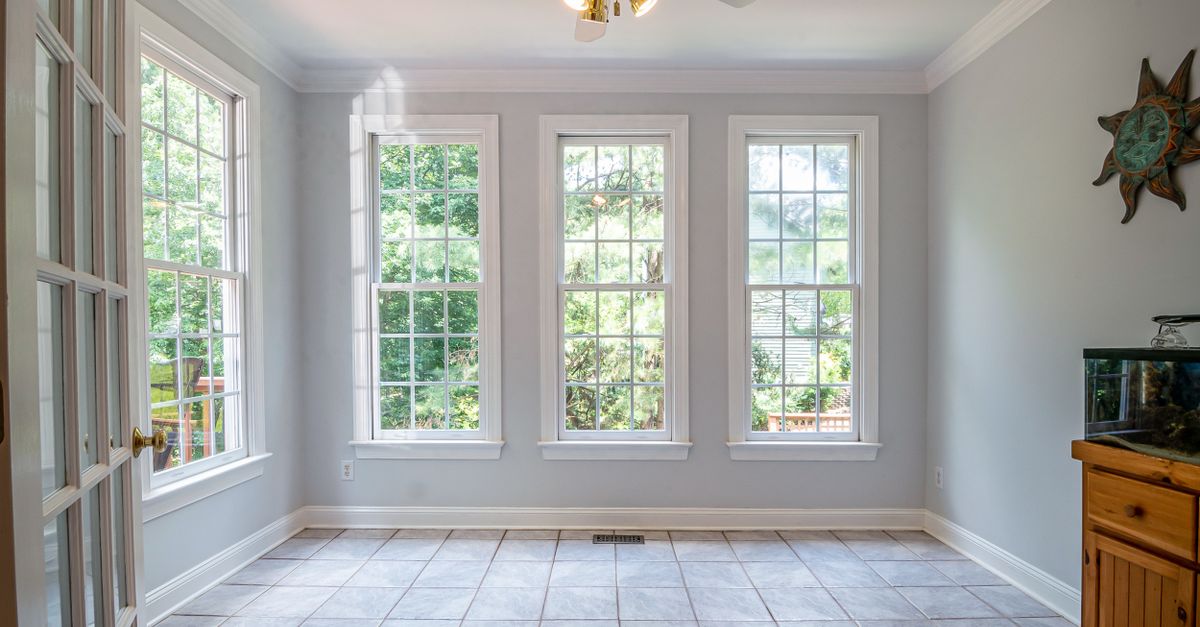
Why Your Home Still Feels Stuffy (Even After Opening Windows) — And What Actually Works for Real Freshness
Discover why opening windows isn't enough for true home freshness and learn the counter-intuitive strategies that deliver lasting air quality. By Sarah Ellison.

Why Your Homemade Soup is Bland (And The Flavor Secrets That Changed Everything For Me)
Struggling with bland homemade soup? Discover why common mistakes lead to dull flavors and learn the secrets that transformed my cooking.