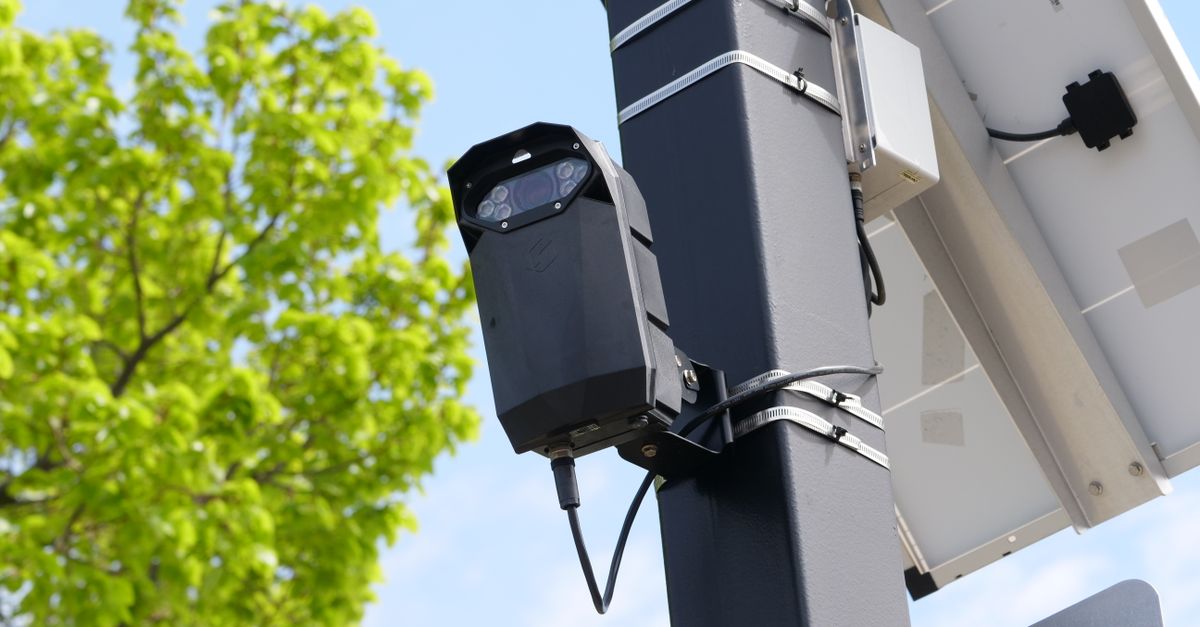
Why Your Home Security Cameras Fall Short (And What Actually Works for Peace of Mind)
When I first ventured into setting up a home security system, I, like many others, started with what seemed like the most obvious and modern solution: a few well-placed Wi-Fi security cameras. The marketing promised unparalleled peace of mind – motion alerts directly to my phone, crisp HD video, and the ability to check in on my home from anywhere. It felt empowering, a true step into smart home living.
But after a few months, the reality began to bite. My phone was constantly buzzing with ‘motion detected’ alerts from a passing cat, a swaying tree branch, or even a sudden change in light. The crucial moment I needed to review footage, the app would inevitably lag, or the tiny battery in my wireless camera would be dead. And when a package actually did disappear from my porch, the grainy, obstructed footage was utterly useless to the police. I had invested time and money, and yet, I felt no more secure than before. In fact, the constant false alarms and technical glitches added a new layer of anxiety. This wasn’t the peace of mind I was promised; it was a digital babysitter that often cried wolf or looked away at the critical moment.
My journey, and the countless stories I’ve heard from friends and readers at Geekishgadgets, has shown me a crucial truth: most off-the-shelf home security cameras, while appealing in their simplicity, fundamentally fall short of providing actual, reliable security and peace of mind. They are often designed for convenience and a sense of ‘checking in,’ rather than robust, actionable evidence or proactive deterrence. The nuances of effective home surveillance go far beyond simply sticking a camera on your wall and hoping for the best. What truly works requires a more integrated, thoughtful approach that prioritizes reliability, intelligent detection, and actionable data over flashy but often superficial features.
Key Takeaways
- Standalone Wi-Fi cameras are prone to false alarms and connectivity issues, creating a false sense of security.
- Relying solely on battery-powered cameras introduces reliability risks and maintenance headaches at critical times.
- Local storage with NVR/DVR systems and wired connections offer superior reliability, storage, and tamper resistance.
- Integrating cameras with professional monitoring or smart home security ecosystems provides true layered defense.
- Focus on cameras with advanced AI detection and strategically placed, continuous recording to capture actionable evidence.
The Fatal Flaw: Reliance on Wi-Fi and Battery Power (The Illusion of ‘Wireless Freedom’)
The biggest selling point for many consumer-grade security cameras is often their wireless nature – no complicated wiring, easy setup, and the freedom to place them anywhere. In my experience, and after countless troubleshooting sessions, this ‘freedom’ is actually their Achilles’ heel. It creates two critical vulnerabilities that undermine genuine security:
First, Wi-Fi dependency is a single point of failure. Your camera is only as good as your home network. If your Wi-Fi goes down – a common occurrence during power outages, internet service disruptions, or even simple router reboots – your cameras become useless. No live feed, no recording, no alerts. Criminals are increasingly savvy; jamming Wi-Fi signals is a known tactic. When my internet went out during a storm, my smart cameras were silent, leaving my home blind precisely when it might have been most vulnerable. Furthermore, an overloaded or weak Wi-Fi signal can lead to dropped frames, choppy video, or outright disconnection, making crucial footage unusable.
Second, battery-powered cameras are a ticking time bomb. While the idea of not running power cables is appealing, these devices require constant recharging or battery replacement. How often do you remember to charge your phone before it dies? Now imagine that critical task for several security cameras, some placed in hard-to-reach locations. The inevitable outcome is that a camera will run out of juice at the most inopportune moment. A neighbor once told me her battery-powered doorbell camera died the night her car was broken into, leaving her with no footage whatsoever. The promise of ‘set it and forget it’ with battery cameras is a dangerous myth; they demand ongoing, inconvenient maintenance that rarely aligns with real-world vigilance. Reliable security demands continuous operation, and battery power, by its very nature, is intermittent and fragile.
The Cloud Trap: Hidden Costs and Delayed Evidence
Many popular camera brands push a cloud-based storage model. This sounds convenient: your footage is stored off-site, safe from local tampering. However, this convenience comes with significant drawbacks that most people overlook until it’s too late.
Firstly, subscription fees become a continuous, escalating expense. That seemingly affordable camera often requires a monthly or annual fee to access essential features like extended recording history, intelligent alerts, or even just reviewing past footage. Over a few years, these subscription costs can easily exceed the initial price of the hardware, turning your ‘affordable’ security into a long-term financial drain. I quickly realized my initial budget for security had to account for these recurring fees, or my cameras would be glorified paperweights.
Secondly, cloud dependence introduces lag and reliability issues. Footage needs to be uploaded to the cloud, then downloaded back to your device for viewing. This process can introduce significant delays, especially if your internet upload speed is slow, or the cloud server is experiencing high traffic. In a real-time event, even a few seconds of lag can mean the difference between seeing a clear image of a perpetrator and only catching their disappearing back. More critically, if your internet connection is severed during a break-in (either accidentally or intentionally), your footage might never make it to the cloud, leaving you with nothing. This was the frustrating reality for my friend whose camera failed to upload during a local power surge, losing the only potential evidence.
Thirdly, and perhaps most importantly, cloud storage can be a bottleneck for evidence retrieval. While footage is in the cloud, accessing and downloading large segments of high-resolution video for law enforcement can be a cumbersome and time-consuming process. I’ve seen cases where police departments have to jump through hoops, wait for tech support, or navigate proprietary formats, delaying critical investigations. True peace of mind comes from quick, unimpeded access to your own data when it matters most.
The ‘Motion Detection’ Mirage: Why Your Phone is Constantly Buzzing (and You’re Getting No Real Security)
The ability to get motion alerts on your phone is a cornerstone of smart camera advertising. In practice, this feature is often the biggest source of user fatigue and a critical failure point for security. The fundamental problem is that basic motion detection, relying purely on pixel changes, is remarkably unintelligent.
False alarms desensitize you. Every blowing leaf, scurrying animal, headlight flash, or shadow play triggers an alert. Initially, you might check every single one. But after a few days or weeks of your phone buzzing 20+ times a day for non-events, you start to ignore them. This is precisely when a real event will occur, and you’ll either dismiss it or miss it entirely. I developed a habit of just swiping away alerts without even looking, rendering the entire system useless. This isn’t peace of mind; it’s alert fatigue that compromises your actual security.
Lack of intelligent differentiation. Most basic cameras can’t tell the difference between a person, a package, a car, or a squirrel. They simply register movement. The more advanced (and often subscription-based) AI features, like person detection or package detection, attempt to solve this, but they’re still not foolproof. They add a layer of complexity and cost, and even then, can be fooled. My own system once confidently identified my neighbor’s dog as a ‘person’ multiple times, further eroding my trust in its intelligence.
Poor coverage and blind spots. Even with ‘motion zones,’ most cameras struggle with nuanced detection. If the motion occurs just outside your defined zone, or if the lighting conditions are difficult (e.g., strong backlighting, glare), the detection can fail. Criminals understand this; they know how to approach a property from a blind spot or move in a way that minimizes triggering detection. Relying on basic motion detection creates a reactive system that is easily overwhelmed or circumvented.
The Unseen Gaps: Why Integrated Systems Win Over Standalone Cameras
Many consumers piece together security by buying a camera here, a smart lock there, and maybe a doorbell camera. This fragmented approach is another common reason why home security falls short. What you gain in initial cost savings, you often lose in overall effectiveness and true peace of mind.
Lack of central control and unified alerts. Managing multiple apps for different devices is a nightmare. If a camera detects motion, does it automatically trigger the outdoor lights? Does it arm the alarm system? Does it notify a central monitoring station? With disparate devices, the answer is usually no. This means you’re left to manually respond to individual alerts, wasting precious time in a real emergency. A truly secure home operates as a cohesive unit, where devices communicate and respond in concert.
Limited comprehensive coverage. Standalone cameras tend to be placed at obvious entry points – front door, back door. But what about windows, side gates, or garages? A robust security system considers all potential vulnerabilities. My experience taught me that real security isn’t about one or two cameras; it’s about a holistic strategy that uses a combination of sensors (door/window, glass break), sirens, and strategically placed cameras, all working together to detect and deter threats from every angle.
No professional monitoring or rapid response. This is the biggest gap. A camera can show you a break-in happening, but it can’t call the police, scare off an intruder, or verify an event. Without integration into a professionally monitored system, your cameras are merely recording devices. In a real emergency, every second counts. A professionally monitored system means trained agents receive and verify alerts, dispatching emergency services immediately. This proactive response is the cornerstone of true peace of mind, something a DIY camera system simply cannot provide.
What Actually Works: Building a Resilient, Actionable Surveillance System
Moving beyond the common pitfalls requires a more intentional and often more traditional approach, albeit with modern capabilities. Here’s what my journey revealed to be truly effective:
1. Prioritize Wired Connections (Power and Data): This is non-negotiable for reliable, continuous surveillance. Wired cameras don’t suffer from Wi-Fi dropouts or dead batteries. They offer consistent power, a stable data stream for high-resolution video, and are significantly more tamper-resistant than wireless alternatives. Yes, it involves running cables, which might mean a professional installation, but the peace of mind from knowing your cameras are always on and always recording is invaluable. My home now uses Power over Ethernet (PoE) cameras, meaning a single cable provides both power and data, simplifying installation while maximizing reliability.
2. Embrace Local Storage with an NVR (Network Video Recorder): Instead of relying solely on the cloud, invest in an NVR. This dedicated device records footage directly onto a hard drive stored securely within your home. Benefits are immense: no monthly fees, instant access to footage, higher recording capacity, and crucial independence from your internet connection for recording. My NVR continuously records all camera feeds, and I only use cloud backup for critical clips, significantly reducing my cloud subscription costs and ensuring I always have the raw data. This setup is a game-changer for evidence gathering.
3. Deploy Advanced AI-Powered Detection (Not Just Basic Motion): Modern cameras with built-in AI are a step above simple pixel-based motion detection. Look for features like:
- Human/Vehicle Detection: Dramatically reduces false alarms by distinguishing people and cars from animals or swaying branches.
- Line Crossing/Intrusion Detection: Allows you to define virtual lines or zones, triggering an alert only when a person or vehicle crosses them in a specific direction. This is far more effective than broad motion zones.
- Face Detection/Recognition (with privacy considerations): Can identify known individuals or alert you to unknown faces. I use this sparingly, but it’s powerful for specific needs.
These intelligent features ensure that when your phone does buzz, it’s for something genuinely relevant, reducing alert fatigue and improving response times.
4. Strategic Placement for Comprehensive Coverage and Deterrence: Don’t just point a camera at your front door. Think like a criminal. Cover:
- All entry points: Doors, ground-floor windows, garage doors.
- Vulnerable areas: Side yards, secluded access points, areas with dense foliage.
- Valuables: Driveways where cars are parked, sheds.
- Lighting: Ensure cameras have good night vision (infrared) or are supplemented by motion-activated floodlights, which double as a powerful deterrent. A well-lit area is less appealing to intruders.
Crucially, make your cameras visible but also protected from easy tampering. A camera that can be easily knocked down or covered isn’t much use. I now use dome cameras in some areas to make them harder to reorient.
5. Integrate with a Monitored Security Ecosystem: This is the ultimate step for true peace of mind. Connecting your cameras to a comprehensive smart home security system, ideally one with professional monitoring, elevates your surveillance from a recording tool to an active defense. When motion is detected, it can trigger external sirens, floodlights, lock smart doors, and immediately notify a monitoring center that can verify the event and dispatch emergency services. This layered defense – deter, detect, record, and respond – is what genuinely works to protect your home and family.
My journey from frustrating standalone cameras to an integrated, wired, and locally recorded system has transformed my home’s security. It’s less about the novelty of ‘smart’ features and more about the fundamental reliability and actionable intelligence that truly protects.
Frequently Asked Questions
Q: Are battery-powered cameras ever a good idea?
A: For critical, continuous security, no. They are unreliable due to battery life and Wi-Fi dependence. However, they can be useful for temporary monitoring in non-critical areas, or for niche uses where running wires is absolutely impossible and the risk is very low. Think monitoring a pet for an hour, not deterring a break-in.
Q: How much local storage do I need for my NVR?
A: This depends on the number of cameras, their resolution, and how long you want to retain footage. A good rule of thumb for 4-6 cameras recording 1080p continuously is a 2-4TB hard drive for 1-2 weeks of footage. Higher resolution or more cameras will require more storage. Many NVRs allow for drive upgrades.
Q: Do I still need professional monitoring if I have great cameras?
A: Yes, absolutely. Cameras provide evidence; professional monitoring provides an immediate, verified response. In an emergency, you might not be available, or you might be too stressed to act quickly. Monitoring services verify alarms and dispatch police, fire, or medical services without delay, which is invaluable.
Q: Can I use existing Wi-Fi cameras with an NVR?
A: Some NVRs support ONVIF (Open Network Video Interface Forum) compatible Wi-Fi cameras, allowing them to record to the NVR. However, you’ll still contend with the Wi-Fi reliability issues. For optimal performance and security, wired cameras are always preferred when pairing with an NVR.
Q: What’s the best way to deter intruders, beyond just cameras?
A: Cameras are one layer. Combine them with motion-activated lighting, visible alarm system signage, strong locks on all doors and windows, trimmed landscaping (no hiding spots), and a well-maintained exterior that signals an occupied and cared-for home. Even a visible ‘beware of dog’ sign can be a deterrent.
In the end, real home security isn’t about buying the flashiest camera; it’s about building a robust, reliable system that truly gives you peace of mind. By understanding the limitations of common consumer cameras and focusing on reliability, intelligent detection, and integration, you can create a surveillance system that actually works. Don’t settle for the illusion of security; demand the real thing.
Written by Sarah Ellison
Home efficiency, decluttering, and mindful living
A former lifestyle editor with a keen eye for practical home solutions and personal organization.
You Might Also Like

Why Your DIY Smart Home Routines Feel More Like a Chore (And What Actually Works for Real Convenience)
Are your smart home routines more frustrating than convenient? Discover why common DIY approaches fail and learn what truly creates effortless automation.
Why Your Home Still Feels Stuffy (Even After Opening Windows) — And What Actually Works for Real Freshness
Discover why opening windows isn't enough for true home freshness and learn the counter-intuitive strategies that deliver lasting air quality. By Sarah Ellison.

Why Your Home Still Feels Stale (Even After Cleaning) — And What Actually Works for Real Freshness
Ever wonder why your home still smells stale after a deep clean? Learn the hidden culprits and lasting solutions for true freshness.