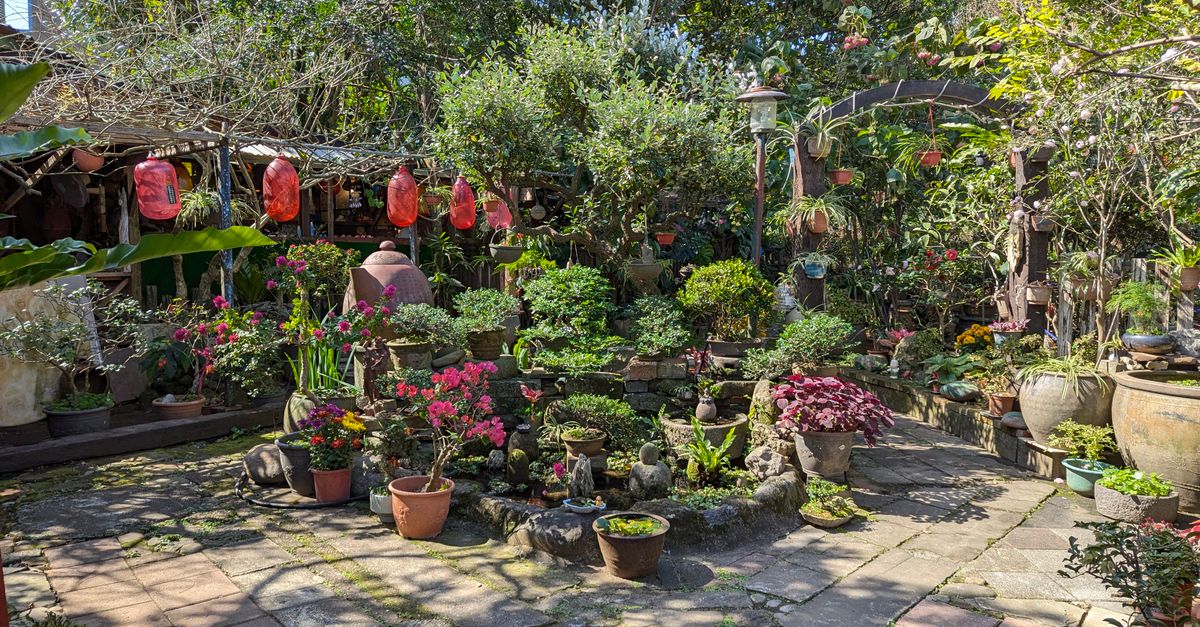
Why Your Garden Always Looks 'Messy' (And What Actually Works for Effortless, Year-Round Beauty)
Do you ever gaze at perfectly manicured gardens in magazines or on social media, then glance at your own and feel a pang of despair? Your intentions are good: you plant, you prune, you water. Yet, despite your best efforts, your garden always seems to revert to a state of wild, unruly chaos within weeks. It’s not a lack of effort or a green thumb problem; it’s a design and maintenance mismatch. The truth is, most conventional gardening advice sets us up for failure, demanding constant intervention that few of us have time for. In my experience, the ‘messy garden’ isn’t a sign of a bad gardener, but rather a system that’s fighting against nature instead of working with it. I’ve learned that true year-round beauty doesn’t come from endless weeding and manicuring, but from smart plant choices and a shift in perspective.
Key Takeaways
- Embrace strategic plant selection by choosing native, resilient plants that thrive in your climate and require minimal intervention.
- Design with layers and distinct zones to create visual order and manage maintenance, rather than fighting a uniform aesthetic.
- Implement a deep mulch strategy to suppress weeds naturally and retain soil moisture, dramatically cutting down on manual labor.
- Shift your mindset from constant control to mindful observation, understanding that a truly beautiful garden is a dynamic ecosystem, not a static display.
The Trap of High-Maintenance Plant Choices
The biggest mistake I see gardeners make, and one I certainly fell victim to for years, is choosing plants based solely on their aesthetic appeal in a nursery, without considering their long-term suitability for the local environment. We pick out those stunning, exotic blooms or perfectly uniform shrubs, imagining a perpetual state of floral perfection. The reality? Many of these plants are not native to our region, are not suited to our specific soil type, or require precise watering schedules, frequent fertilizing, and constant pruning to maintain their idealized form.
For example, I once spent a small fortune on a bed of English roses, dreaming of a cottage garden aesthetic. What I got was a battle. They needed daily watering in our dry summers, were a magnet for aphids, and demanded weekly deadheading to keep blooming. The sheer volume of work made maintaining them feel less like a hobby and more like a second job. What changed everything for me was discovering the power of native plants. These species have evolved to thrive in your local climate, requiring significantly less water, fewer nutrients, and far less pest intervention. They blend seamlessly with the natural ecosystem, attracting beneficial insects and local wildlife, creating a dynamic, self-sustaining beauty that a high-maintenance rose bed could never achieve. Instead of fighting nature, you’re flowing with it. A truly effortless garden starts with plants that want to be there and can largely take care of themselves. Focus on resilience over rarity.
Overlooking the Power of Structural Design (Or Lack Thereof)
A ‘messy’ garden often lacks underlying structure. Think of it like a beautifully furnished room without walls or designated spaces – it would feel chaotic, no matter how lovely the furniture. In a garden, this structure isn’t just about hardscaping (though that helps); it’s about how you arrange your plants and create defined areas. Without this, plants can sprawl aimlessly, paths become overgrown, and the eye has nowhere to rest, creating a visual jumble.
I used to simply buy plants I liked and stick them wherever there was a vacant spot. The result was a patchwork of different heights, textures, and colors that never quite harmonized. My garden always felt like a collection, not a cohesive space. What actually works is thinking in layers and zones. Incorporate evergreen shrubs or small trees for year-round form and height. Create distinct planting beds with clear edges, even if they’re just a spade’s edge trenched into the lawn. Use repetition of a few key plant types or colors to create visual flow. Even something as simple as defining a clear path, even if it’s just mown grass, instantly introduces order. This underlying framework gives your garden a sense of intention, making any natural ‘wildness’ feel charming and deliberate, rather than neglected. A well-structured garden can embrace a bit of delightful disarray without ever looking truly messy.
The Endless Battle Against Weeds: A Flawed Approach
Weeding is probably the most universally dreaded gardening chore, and for good reason. If you’re constantly pulling weeds by hand, you’re fighting a losing battle. The moment you clear a patch, dormant seeds seize the opportunity to sprout, and the cycle begins anew. This continuous, reactive approach is exhausting and contributes significantly to the feeling that your garden is perpetually unkempt.
My personal weeding nightmare ended when I committed to a deep mulching strategy. Forget those thin, decorative layers of wood chips; I’m talking about a thick, consistent blanket of organic material – at least 3-4 inches deep, preferably more – applied annually. This acts as a physical barrier, blocking sunlight from weed seeds and suppressing their growth. Any weeds that do manage to poke through are often weakened and easily pulled. Beyond weed suppression, mulch retains soil moisture, reducing watering needs, and slowly breaks down to enrich the soil, feeding your desirable plants. It’s a proactive, preventative approach that drastically cuts down on labor. Instead of spending hours bent over pulling tiny invaders, you can spend minutes spot-checking, allowing you to enjoy your garden rather than resent it. It’s the single most effective maintenance hack I’ve ever discovered.
The Pursuit of Perfection: A Recipe for Frustration
Many of us hold an idealized image of a perfect garden: every leaf pristine, every flower blooming in synchronicity, not a single blade of grass out of place. This pursuit of sterile perfection is not only unrealistic but fundamentally misunderstands the nature of a living garden. Nature is dynamic, unpredictable, and perfectly imperfect. When we try to impose absolute control, we’re constantly battling against natural processes, leading to endless frustration and the feeling that our garden is always falling short of an unattainable standard.
What truly changed my relationship with my garden was shifting my mindset from control to mindful observation. Instead of seeing a few fallen leaves as ‘messy,’ I started seeing them as natural mulch. Instead of panicking over a spent bloom, I appreciated the cycle of life and allowed some to go to seed, creating new life for next season or food for birds. I learned to appreciate the natural ebb and flow, understanding that a bit of wildness, a touch of self-seeding, and the gentle decay of nature are all part of a healthy, vibrant ecosystem. This doesn’t mean letting things get completely out of hand, but rather embracing a more naturalistic aesthetic. I now schedule focused maintenance sessions (e.g., one hour on Saturday mornings) rather than trying to achieve perfection daily. This shift reduced my stress tenfold and allowed me to truly appreciate the evolving beauty of my garden, transforming it from a chore to a source of peace and joy.
Frequently Asked Questions
How do I choose low-maintenance plants for my garden?
Focus on native plants that are well-suited to your local climate and soil conditions. Look for plants labeled as drought-tolerant or disease-resistant. Consult your local botanical garden or university extension office for recommendations specific to your region. Prioritize plants that don’t require frequent pruning, fertilizing, or pest control.
What kind of mulch is best for weed suppression?
Organic mulches like wood chips, shredded bark, or straw are excellent for weed suppression and also benefit your soil as they decompose. Aim for a layer 3-4 inches thick. Avoid synthetic weed barriers if possible, as they can hinder soil health and are less effective long-term than a deep organic mulch.
How can I create visual structure in an existing ‘messy’ garden?
Start by defining clear pathways, even if temporary, to guide the eye. Introduce evergreen shrubs or small trees for year-round form. Consider adding borders to your planting beds using pavers, rocks, or a simple trench. Use repetition of a few key plant types or colors throughout your garden to create a cohesive look and break up visual clutter. Even moving plants around to create groupings of similar sizes or textures can make a big difference.
How often should I weed if I’m using deep mulch?
With a 3-4 inch layer of organic mulch, your weeding efforts will be dramatically reduced. You’ll likely only need to do light spot-weeding every few weeks, or even monthly, to remove the few stubborn weeds that manage to sprout. The key is to apply the mulch consistently and replenish it as it breaks down.
Is it okay for my garden to look a little wild or natural?
Absolutely! Embracing a naturalistic aesthetic can be incredibly beautiful and is often far more sustainable. A garden that allows for some self-seeding, supports local wildlife, and reflects the natural environment is a vibrant ecosystem. The goal isn’t sterile perfection, but a harmonious balance between cultivation and nature. This allows you to truly enjoy your outdoor space without the constant pressure of maintaining an unrealistic ideal.
By stepping back from the endless pursuit of gardening perfection and embracing a more strategic, nature-friendly approach, you can transform your perpetually ‘messy’ garden into a thriving, beautiful, and effortlessly enjoyable outdoor sanctuary. Start with those resilient plant choices, create some underlying structure, lay down that thick layer of mulch, and most importantly, allow yourself to appreciate the dynamic, living beauty of your space.
Written by Sarah Ellison
Home efficiency, decluttering, and mindful living
A former lifestyle editor with a keen eye for practical home solutions and personal organization.
You Might Also Like

Why Your DIY Smart Home Routines Feel More Like a Chore (And What Actually Works for Real Convenience)
Are your smart home routines more frustrating than convenient? Discover why common DIY approaches fail and learn what truly creates effortless automation.

Why Your Home Still Feels Stuffy (Even After Opening Windows) — And What Actually Works for Real Freshness
Discover why opening windows isn't enough for true home freshness and learn the counter-intuitive strategies that deliver lasting air quality. By Sarah Ellison.

Why Your Home Still Feels Stale (Even After Cleaning) — And What Actually Works for Real Freshness
Ever wonder why your home still smells stale after a deep clean? Learn the hidden culprits and lasting solutions for true freshness.